

Critical Reload Boost

Don't Just Tell Athletes Nutrition Matters. Teach Them How It Works.

Critical Reload Boost gives high schools 33 structured sports nutrition lessons designed to help athletes understand fueling, recovery, hydration, sleep, and daily performance habits — and learn how to apply them in real life.

01 Learn
02 Apply
03 Practice
04 Own It
The Education Gap

Athletes Hear That Nutrition Matters. Few Are Ever Taught How To Use It.

Athletes are surrounded by nutrition advice — from coaches, parents, teammates, social media, supplements, and fitness culture. What they often lack is a structured way to understand what matters, why it matters, and how to apply it to their own training and daily life.

01 — Information

They Hear It.

Eat better. Drink more water. Get enough protein. Sleep more. Athletes hear the advice constantly, but isolated messages rarely create lasting understanding.

02 — Understanding

They Learn Why.

Structured education connects nutrition, hydration, recovery, sleep, and daily habits to training demands so athletes can understand the reason behind the recommendation.

03 — Application

They Know What To Do Next.

The goal is not simply knowing more. It is helping athletes recognize their own gaps, evaluate choices, and make better decisions without constant direction.

Why Boost Exists

Critical Reload Boost bridges the gap between being told nutrition matters and actually knowing how to use it. The curriculum gives educators a structured way to move athletes from information to understanding, application, and eventually greater independence.

Built For High School Athletes

33 Sports Nutrition Lessons. Built To Grow With The Athlete.

Boost gives educators a deep library of structured sports nutrition lessons without locking them into one pacing model. Choose the lessons that fit your athletes, your schedule, and the outcomes you want to build.

33 Structured Lessons

A deep curriculum covering nutrition, recovery, sleep, hydration, and the daily habits that influence athletic performance.

9–12 Grade Levels

Built for the high school environment and designed to support athletes as their knowledge, responsibility, and independence grow.

SHAPE Standards Aligned

Lessons connect sports nutrition concepts to relevant SHAPE America standards and performance-focused learning outcomes.

NHES Standards Aligned

Activities reinforce decision-making, goal-setting, health-enhancing behaviors, and practical application.

Depth Without Rigidity

The Curriculum Is Comprehensive. The Schedule Is Yours.

Boost does not require every athlete to complete every lesson in one semester, one season, or one school year. Educators can select individual lessons, organize focused units, build a semester experience, or distribute learning progressively across grades 9–12.

Use The Curriculum Your Way

Start with the athletes in front of you and the time you actually have.

01 — Targeted

Teach What They Need Now.

Select individual lessons that address a current need — from fueling and hydration to recovery, sleep, digital habits, or daily nutrition decisions.

02 — Focused

Build A Unit Or Semester.

Combine related lessons into a focused sequence that fits health, PE, strength & conditioning, athletics, or another school setting.

03 — Progressive

Build Across Four Years.

Use Boost across grades 9–12 to deliberately move athletes from exposure and understanding toward ownership, independence, and leadership.

The Goal

Enough Depth To Build A Curriculum. Enough Flexibility To Build Your Curriculum.

A High School Athlete Education Pathway

From First Exposure To Full Independence.

Boost does not have to be taught as one long course. It can become a progressive education system that grows with the athlete across grades 9–12. Each year can build on the last — moving students from learning the language to making confident decisions on their own.

9TH Freshman
Exposure + Foundations

Learn The Language.

Introduce the foundational concepts that explain why fueling, hydration, sleep, recovery, and daily habits matter to performance.

  • Recognize basic fueling and recovery needs.
  • Identify common gaps in personal habits.
  • Understand that training creates demands the body must recover from.
Example Foundation Lesson Defining Nutrition: General vs. Sports Nutrition
10TH Sophomore
Understanding + Application

Put It Into Practice.

Move beyond awareness and begin asking athletes to use concepts, tools, and real-world situations to make better fueling decisions.

  • Connect nutrient needs to training demands.
  • Apply fueling concepts to meals, snacks, and timing.
  • Begin evaluating choices instead of simply following rules.
Example Application Lesson Carbohydrates: The Athlete's Primary Fuel
11TH Junior
Ownership + Decision-Making

Own The Decisions.

Give athletes greater responsibility for adjusting nutrition and recovery around schedules, sport demands, travel, training, and personal goals.

  • Recognize problems before someone else points them out.
  • Build routines around personal training demands.
  • Adjust when the environment or schedule changes.
Example Advanced Theme Sleep, Recovery + Daily Performance Habits
12TH Senior
Independence + Leadership

Carry It Forward.

Prepare athletes to leave high school able to make informed decisions independently and reinforce better habits within their team and future environment.

  • Explain their own fueling and recovery needs.
  • Self-correct when routines begin to break down.
  • Model and reinforce better standards for younger athletes.
Example Independence Lesson Digital Disruption of Sleep, Nutrition & Recovery
The Graduation Standard

What Should An Athlete Be Able To Do By The Time They Leave?

By graduation, the goal is for athletes to understand their own fueling and recovery needs, recognize problems, make informed decisions, adjust when circumstances change, and carry forward a repeatable system without needing constant direction.

The Difference

Don't Just Teach Lessons. Build A More Independent Athlete.

Flexible Implementation

Your Schedule Doesn't Have To Fit Boost. Boost Can Fit Your Schedule.

Some schools have a full semester. Some have a few weeks. Some want to build athlete education progressively across four years. Boost is designed to support all three.

01 — Targeted

Teach What Matters Now.

Choose specific lessons based on the athletes in front of you. Address a current need such as fueling, hydration, recovery, sleep, digital habits, or another performance priority. Start with the problem that matters most right now.

02 — Focused

Build A Unit Or Semester.

Group related lessons into a focused sequence that fits health, PE, strength & conditioning, athletics, advisory, or another school-based setting. The curriculum can expand or contract around the time available.

03 — Progressive

Build Across Grades 9–12.

Use Boost as a multi-year education pathway that moves athletes from first exposure and understanding toward ownership, independence, and leadership. Each year can intentionally build on the one before it.

Example Path 4–6 Weeks

A targeted block built around the most immediate needs of a team, class, or training group.

Example Path 8–16 Weeks

A focused sequence that combines multiple related concepts into a more complete learning experience.

Example Path Multi-Year

A progressive grades 9–12 pathway built around increasing understanding, responsibility, and independence.

No Required Pacing

No Required Sequence. No Requirement To Finish All 33 Lessons In One Year.

The curriculum provides the depth. The educator chooses the pathway. Use the lessons in the order, frequency, and timeframe that best fits your students, program, calendar, and educational goals.

Built For Real Schools

Start With The Time You Have. Build Toward The Athlete You Want To Graduate.

How A Boost Lesson Works

More Than Something To Read. A Lesson Built To Be Used.

Every Boost lesson is designed to move beyond information. Students learn the concept, connect it to athletic performance, apply it to themselves, make decisions, and demonstrate what they understand.

Critical Reload · Unit 2 · Lesson 2.1

Carbohydrates: The Athlete's Primary Fuel

Grades 9–12 · Athlete-Specific Sports Nutrition Education

Standards Alignment SHAPE America + National Health Education Standards

Connect instruction to defined educational outcomes.

Learning Objectives Define what students should understand and be able to apply.
Core Instruction Teach the science through the realities of athletic training.
Student Application Evaluate choices, solve problems, and apply concepts personally.
Personalized Tools Connect general education to the athlete's own needs.
Assessment Check whether the student can understand and use the material.
01
Align

Start With Defined Educational Outcomes.

Lessons connect to relevant SHAPE America and NHES standards so instruction has a clear educational purpose beyond simply presenting nutrition information.

02
Define

Tell Students What They Should Be Able To Do.

Each lesson uses specific learning objectives that move beyond recall into explaining, analyzing, comparing, evaluating, and applying.

03
Teach

Connect The Science To The Athlete.

Core instruction explains the concept through training, competition, performance, recovery, and health so students understand why the information matters in their world.

04
Decide

Ask Students To Evaluate — Not Just Memorize.

Activities require students to identify fad-diet warning signs, compare food choices, explain reasoning, and make decisions using what they learned.

05
Personalize

Bring The Lesson Back To The Individual Athlete.

Students apply sport, position, body weight, season, training volume, and personal goals to estimate their own needs — then connect that learning to Critical Reload's Nutrition Calculator.

06
Assess

Check For Understanding.

Lesson assessments measure whether students can identify, explain, calculate, evaluate, and apply the key concepts — with a defined answer key tied back to the instruction.

07
Build

Connect One Lesson To The Next.

Lessons are not isolated articles. They build on prior concepts and point forward to what comes next so students develop a connected understanding over time.

Inside This Actual Lesson

In Carbohydrates: The Athlete's Primary Fuel, students learn why carbohydrate matters, evaluate low-carb and fad-diet claims, sort carbohydrate sources, estimate their own sport-specific carbohydrate range, connect those needs to the Critical Reload Nutrition Calculator, and complete a 10-question assessment.

View The Full Sample Lesson
See the complete lesson structure, student activities, assessment, answer key, and references.
The Boost Instructional Flow
Align Define the educational outcome.
Teach Build understanding through athlete context.
Apply Use the concept in real situations.
Decide Evaluate choices and explain reasoning.
Personalize Connect learning to the individual athlete.
Assess Verify understanding and application.
The Difference

Don't Just Give Athletes Answers. Teach Them How To Think Through The Decision.

Education → Behavior

The Lesson Doesn't End When The Reading Does.

Knowing something is not the same as doing something. Boost is designed to move athletes from understanding a concept to examining their own behavior, making a decision, and building a better routine.

01 — Learn

Understand The Problem.

Students first learn the mechanism — what is happening, why it matters, and how it affects performance, recovery, or health.

02 — Connect

See The Full Chain.

Athletes connect one behavior to the next instead of seeing isolated choices — building an understanding of cause and effect.

03 — Apply

Bring It Back To The Athlete.

Students examine their own habits, schedules, and decisions so the lesson becomes personal rather than theoretical.

04 — Build

Create A Better System.

The athlete develops a practical routine, protocol, goal, or action plan that turns information into a repeatable behavior.

05 — Reinforce

Practice Until It Becomes Normal.

Follow-up, accountability, challenges, and repeated exposure help move the athlete from knowing the standard to living it more consistently.

One Lesson. Multiple Levels Of Application.

Digital Disruption Of Sleep, Nutrition & Recovery

This lesson does not simply tell athletes to “put the phone down.” Students trace how late-night digital use can affect sleep, nutrition decisions, and recovery — then connect the entire cascade back to athletic performance.

From there, students design a Personal Digital Recovery Protocol, identify a high-impact behavior change, create a SMART goal, establish accountability, and apply the plan in daily life.

Example: From One Habit To A Performance Outcome
Step 1 Late-Night Digital Use

Screens, stimulation, and delayed disengagement push bedtime later.

Step 2 Reduced Sleep

Sleep duration and recovery quality decline.

Step 3 Disrupted Recovery

Sleep, nutrition, and mental recovery begin to work against each other.

Step 4 Poorer Decisions

Morning fueling, food choices, focus, and routines become harder to manage.

Step 5 Training Suffers

The athlete arrives less prepared to recover, adapt, and perform.

Traditional Content

Learn The Information.

Read the material. Remember the concept. Complete the assignment.

Critical Reload Boost

Use The Information.

Understand the concept. Examine your own behavior. Make a decision. Build a system. Practice the change.

The Real Outcome

Knowledge Matters. What The Athlete Does With It Matters More.

Curriculum Breadth

Performance Nutrition Is Bigger Than Protein And Carbs.

Athletes do not experience fueling, sleep, recovery, stress, technology, and training as separate problems. Boost connects those pieces so students can understand the larger system affecting how they feel, recover, and perform.

01 — Foundations

Start With The Why.

Build the difference between general nutrition and sports nutrition and help athletes understand why training changes what the body needs.

02 — Energy Balance

Fuel The Demand.

Connect energy intake to growth, school, training, competition, recovery, and the athlete's ability to adapt to the work being performed.

03 — Carbohydrates

Understand The Primary Fuel.

Explore carbohydrate function, food quality, sport-specific needs, timing, and how athletes can make better decisions around training.

04 — Gut Health

Connect Food To The System.

Introduce the gut microbiome, food variety, fiber-rich foods, and how everyday nutrition supports digestion, health, and athlete readiness.

05 — Protein

Support Repair And Growth.

Help athletes understand protein as part of a complete fueling system rather than a single post-workout fix — connecting intake to repair, growth, and recovery.

06 — Sleep + Recovery

Protect The Adaptation.

Teach athletes why sleep is a performance variable and how recovery habits affect training adaptation, readiness, and next-day performance.

07 — Digital Habits

See What Competes With Recovery.

Examine how late-night screen behavior, notifications, digital routines, and attention can influence sleep, nutrition, recovery, and performance.

08 — Decision-Making

Turn Knowledge Into Choices.

Give students repeated opportunities to analyze claims, evaluate options, set goals, build routines, and make decisions they can explain.

One Connected Curriculum

The Topics Change. The Athlete Stays At The Center.

Boost is not 33 disconnected nutrition talks. Lessons build on previous concepts and connect different performance behaviors back to the same athlete. Fueling affects training. Training creates recovery demands. Sleep affects recovery. Digital habits can affect sleep and nutrition. Better decisions require understanding how those pieces interact.

Across The Curriculum Analyze information instead of accepting every claim.
Across The Curriculum Connect concepts to personal training and daily routines.
Across The Curriculum Evaluate choices and explain the reasoning behind them.
Across The Curriculum Build greater independence as knowledge grows.
The Bigger Picture

Teach The Athlete. Not Just The Nutrient.

Tools That Turn Learning Into Action

Teach The Concept. Then Give Athletes A Way To Use It.

The curriculum provides the education. Critical Reload's supporting tools help athletes turn that education into decisions, plans, routines, and repeated exposure. They are not the curriculum — they help make the curriculum usable.

The Curriculum

Builds Understanding.

Lessons teach athletes what matters, why it matters, and how different behaviors affect performance and recovery.

→
The Application Layer

Helps Them Use It.

Personalized tools, planning systems, recurring reinforcement, and school infrastructure help translate learning into action.

01 — Nutrition Calculator

Move Beyond Generic Advice.

General recommendations are a starting point. The Critical Reload Nutrition Calculator helps athletes apply individual variables to create a more personalized understanding of their daily fueling needs. The lesson teaches the concept. The Calculator helps put numbers around the athlete.
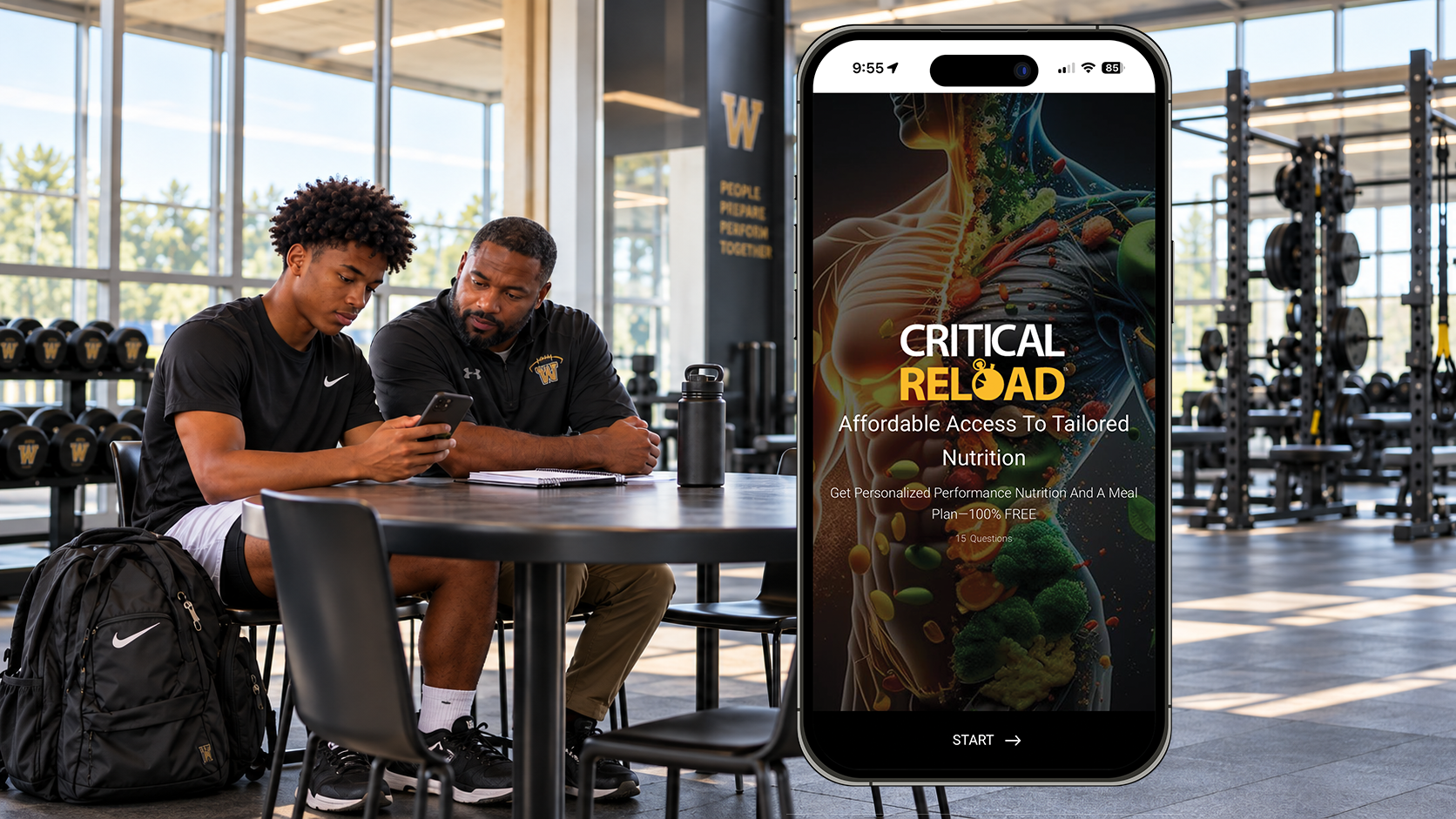
Application Role Turn “athletes need to fuel” into “what might that look like for me?”
Critical Reload Nutrition Calculator
Nutrition Calculator Personalized Athlete Application
02 — Fueling Planner

Put The Plan Into The Day.

Knowing what an athlete needs is only part of the problem. The Fueling Planner helps translate those needs into real eating opportunities around school, practice, competition, travel, and recovery.
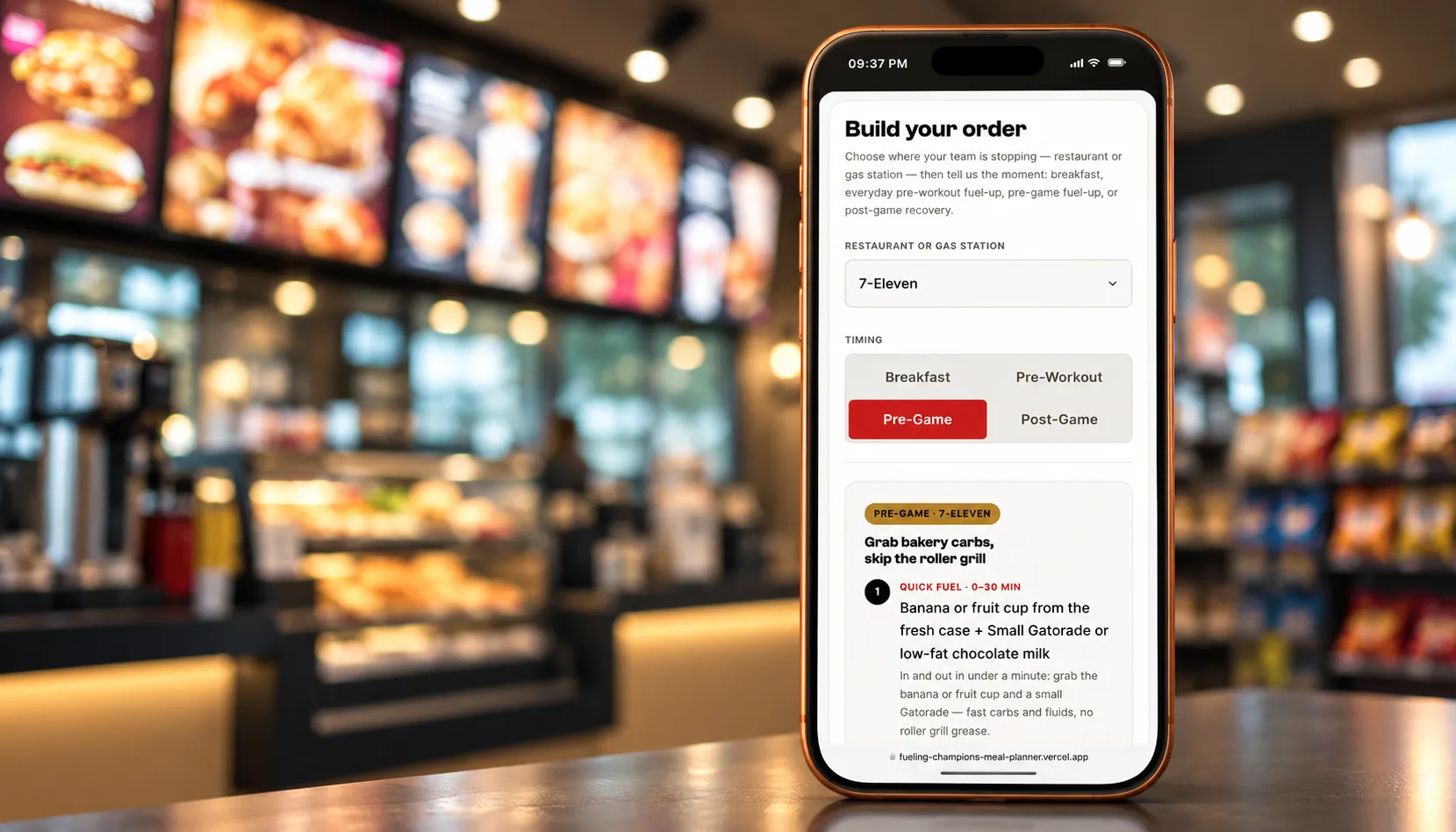
Application Role Connect fueling needs to when and where the athlete can realistically eat.
Critical Reload Fueling Planner
Fueling Planner Plan Fueling Around The Day
03 — Critical Reload Stream

Keep The Education Visible.

One lesson does not create a habit. Stream keeps nutrition, recovery, hydration, sleep, and performance concepts visible inside the athlete's environment through short-form education that can be reinforced over time. Athletes continue seeing the message after the formal lesson ends.
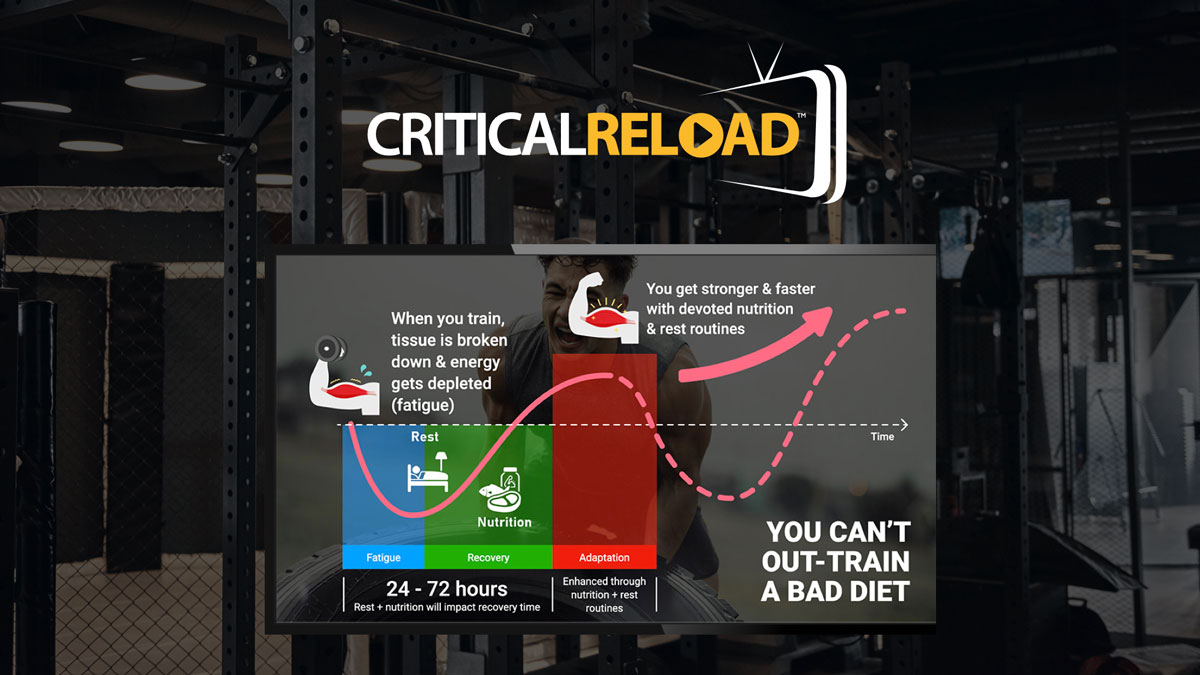
Reinforcement Role Keep key concepts present in the places athletes train, recover, and prepare.
Critical Reload Stream athlete education
Critical Reload Stream Recurring Athlete Education
04 — AthleteHub + Program Management

Give The Program A Home.

Strong curriculum still needs infrastructure. AthleteHub and the supporting administration layer give schools a central environment for organizing access and delivering the Boost experience. The educator can focus on implementation instead of building the system from scratch.

Management Role Keep curriculum access, athlete experience, and program administration connected.
Critical Reload AthleteHub program management and enrollment
AthleteHub Access + Program Management
One Connected Application Layer

Understand → Plan → Reinforce → Manage

Calculator: understand the athlete. Planner: map the day. Stream: reinforce the learning. AthleteHub: support delivery and administration. Each tool serves a different role around the same curriculum.

The Difference

Education Creates Understanding. Tools Make It Easier To Act.

Real-World Proof

The Best Signal? Athletes Start The Conversation.

Education is more powerful when it leaves the screen and starts showing up in daily decisions. One coach saw that shift when athletes began recognizing their own habits — and talking about the changes themselves.

Repetition Created Conversation.

The educational content stayed visible throughout the week and became something athletes could revisit repeatedly. Over time, the conversation began to shift from the coach reminding athletes what mattered to athletes recognizing the changes themselves.

“ It Wasn't Like Me Bringing It Up. It Was Them Bringing It Up. ”
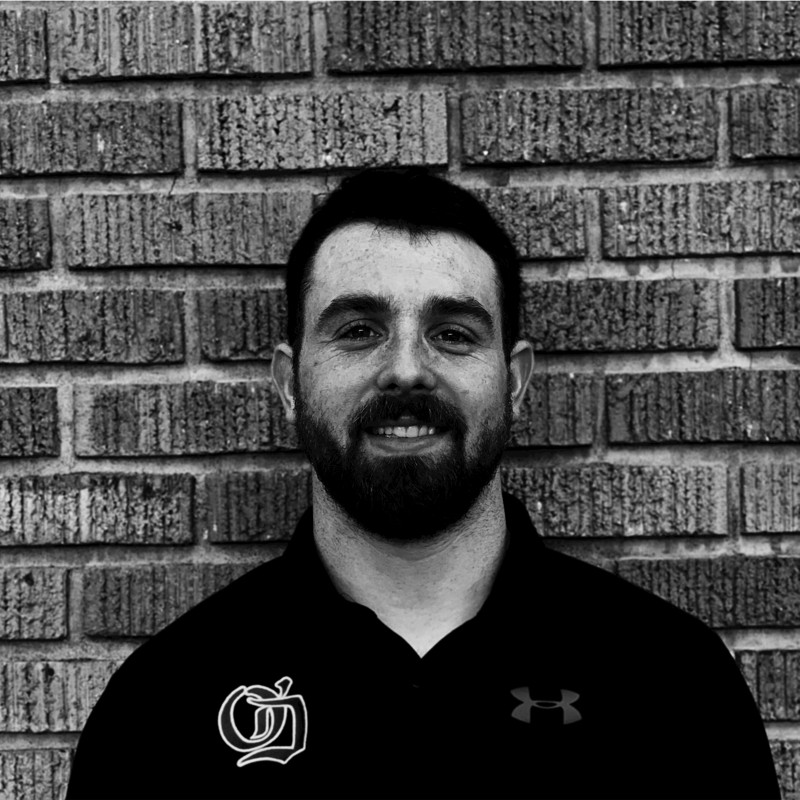
Paxton Paynter
Paxton Paynter, BS, RSSCC, CSCS Head Strength and Conditioning Coach O'Dea High School
What Started Showing Up
01 — Awareness

Athletes Noticed Their Own Sleep Habits.

One athlete reported that putting his phone away before bed helped him fall asleep faster. The lesson became something he could connect to his own life.

02 — Discovery

Tracking Exposed Under-Fueling.

When athletes began tracking food intake, some realized they were eating substantially less than they believed. The gap became visible instead of theoretical.

03 — Connection

Athletes Connected Fueling To How They Felt.

Paxton described athletes noticing differences in performance, stamina, classroom focus, mood, and energy when they were better fueled.

The Signal That Matters

The Conversation Became Athlete-Led.

The objective is not simply for an athlete to remember a lesson. It is for the athlete to notice a problem, connect it to what they learned, and begin making decisions without waiting for a coach to tell them what to do.

Coach-Reported Observations
Sleep Athletes began connecting nighttime phone habits to how quickly they fell asleep.
Fueling Food tracking helped reveal that some athletes were eating less than they assumed.
Performance + School Athletes reported feeling better fueled for performance and more engaged in the classroom.
Culture Nutrition and recovery became subjects athletes were willing to bring into the conversation themselves.
What Success Starts To Look Like

The Coach Teaches It. The Athlete Begins To Own It.

For The Educator

You Don't Have To Build The Curriculum. You Decide How To Use It.

Most educators do not need another program that creates more work. Boost gives you the lesson structure, student activities, assessments, and application framework — so your job is to choose where it fits and guide the conversation.

The Implementation Principle

Structured Enough To Teach. Flexible Enough To Fit.

Boost is built so educators can start with the time, setting, and students they already have. You do not need to redesign the content, create the activities, or build the assessments from scratch.

01 — Select

Choose What Fits.

Select the lesson, unit, or topic that matches your athletes, calendar, and current priority. You do not have to teach everything at once.

02 — Teach

Use The Structure Already Built.

Standards, objectives, instructional content, student activities, application tasks, and assessments are already part of the lesson. You guide the learning instead of designing it from zero.

03 — Reinforce

Keep The Message Alive.

Revisit the concept through discussion, athlete tools, Stream content, or simple coach reminders. Reinforcement can happen without creating another full lesson.

Your Role

Educator

  • Identify what your athletes need.
  • Decide where the lesson fits.
  • Facilitate discussion and application.
  • Reinforce the concepts over time.
  • Help students connect learning to real decisions.
Boost's Role

Curriculum Infrastructure

  • Provide structured lesson content.
  • Define learning objectives and standards alignment.
  • Provide student activities and application exercises.
  • Provide assessments and answer keys.
  • Connect education to supporting tools and reinforcement.
Built To Fit Different School Settings
Setting Strength & Conditioning
Setting Health Education
Setting Physical Education
Setting Athletic Programs
Setting Advisory / Student Development

You Do Not Need To Become The Nutrition Expert.

Your value is in knowing your students, asking good questions, guiding discussion, and creating opportunities to apply what they learn. Boost provides the instructional structure so the educator does not have to carry the entire content-development burden.

The Educator Advantage

Less Time Building The Lesson. More Time Helping Athletes Use It.

School Access

Start With The Athletes You Can Reach. Expand When You're Ready.

Not every school reaches athletes through the same class, weight room, or team structure. Boost pricing scales with the number of students you plan to serve, so you can start where implementation makes sense and grow from there.

Annual School Licensing

Choose Access Based On Your Actual Reach.

Start with one team, one class, one cohort, or a larger athletic population. The curriculum and instructional experience stay the same — the license simply scales with the number of students served.

Starter Pack

Start Focused.

$600 Per Year
Student Access Up To 50 Students

Ideal for a team, class, small cohort, or school that wants to begin with a focused implementation.

Pro Series

Expand The Reach.

$1,000 Per Year
Student Access Up To 250 Students

Built for larger programs, multiple teams, or schools ready to extend Boost beyond a single group.

Team Elite

Build Across Programs.

$1,500 Per Year
Student Access Up To 500 Students

Designed for schools using Boost across multiple teams, grade levels, or educational settings with broader athlete participation.

Pro Suite

Scale Schoolwide.

$2,400 Per Year
Student Access 1,000+ Students

For large schools and organizations looking to make athlete education available at institution-wide scale.

Every Boost License Includes

Same Curriculum. Same System.

Schools choose the access level based on how many students they plan to serve — not a different level of educational quality.

Curriculum 33 structured sports nutrition lessons for grades 9–12.
Application Student activities, practical application, and assessments.
Personalization Critical Reload Nutrition Calculator integration.
Planning Fueling Planner support for real-world athlete decisions.
Reinforcement Critical Reload Stream education and recurring exposure.
Infrastructure AthleteHub access and supporting program administration.

You Don't Need A Schoolwide Rollout On Day One.

Maybe Boost begins with a strength & conditioning class. Maybe it starts with football, volleyball, or a freshman cohort. Maybe several programs participate immediately. The pricing structure lets schools begin with the athletes they can realistically reach and expand access as implementation grows.

Which Access Level Fits Your School?

Tell us how many students you want to serve and how you plan to implement Boost.

Talk With Critical Reload
Built To Grow With Your Program

Start Focused. Expand Access. Build The System Over Time.

Frequently Asked Questions

The Questions Schools Usually Ask Before They Start.

Boost is designed to be flexible, but schools still need to know how it fits their students, staff, schedule, and responsibilities. These are the practical questions that matter before implementation.

No. Boost includes 33 structured sports nutrition lessons, but there is no requirement to teach one lesson every week or complete the entire curriculum in a single school year.

The number of lessons represents curriculum depth, not a required pacing calendar.

Boost is designed for high school students in grades 9–12.

Schools can use lessons based on current student needs or develop a progressive four-year pathway that moves athletes from foundational exposure toward greater ownership, decision-making, and independence.

Boost can fit into a variety of school-based settings, including strength & conditioning, health education, physical education, athletic programs, advisory, or student-development settings.

The right setting depends on where your school can realistically reach the students you want to serve.

No. Boost is structured educational curriculum, not individualized medical nutrition therapy.

Educators use the provided lessons, objectives, student activities, assessments, and application framework to guide learning. Students with medical conditions, eating disorders, clinically significant nutrition concerns, or needs requiring individualized medical care should be referred to an appropriately qualified healthcare professional.

Boost lessons connect learning objectives and student application to relevant SHAPE America and National Health Education Standards.

Individual lessons identify the applicable standards and explain how the lesson connects to those educational outcomes.

Boost is designed to move beyond passive reading. Lessons can include student activities, personal application, decision-making exercises, goal-setting, knowledge checks, assessments, and answer keys.

The objective is not simply for students to know more. It is to help them use what they learn.

They are application tools.

The curriculum teaches the underlying concepts. The Nutrition Calculator and Fueling Planner help students connect those concepts to their own needs, schedule, training demands, and real-world fueling opportunities.

Stream helps reinforce the education after the formal lesson ends.

Short-form visual education can keep key concepts visible inside training and athletic environments so coaches and athletes can continue referencing the same ideas throughout the week.

No.

Schools can start with one team, one class, one grade level, one cohort, or another defined group and expand access as implementation grows.

The licensing tiers are designed to support that kind of gradual adoption.

Boost uses annual school licensing based on student access.

Current access tiers range from a focused implementation serving up to 50 students to large-scale access serving 1,000 or more students.

Schools choose the tier that best reflects the number of students they plan to serve.

Yes.

Boost is built around athlete education rather than a single sport. Schools can use the curriculum across different teams, seasons, and student groups within the limits of their selected access level.

Still Evaluating Fit?

Start With Your Students, Your Schedule, And Your Setting.

There is no single correct way to implement Boost. The best starting point is the group you can realistically reach, the time you actually have, and the performance education needs you want to address first.

Critical Reload Boost

Build Athletes Who Don't Need You To Make Every Decision For Them.

Boost gives schools a structured way to teach athletes how fueling, recovery, sleep, hydration, and daily habits affect performance — then gives students repeated opportunities to apply what they learn until better decisions become more independent.

Learn Understand what matters and why.
Apply Connect the lesson to the individual athlete.
Practice Build routines through repeated use and reinforcement.
Own It Make better decisions without constant direction.
Start with a short school inquiry or review a complete Boost lesson before deciding whether the program fits your students.
The Goal

Not More Nutrition Information. More Capable Athletes.

0