Free Nutrition Calculator

Start With The Athlete. Understand The Day.

Fueling needs aren't the same for every athlete—or every day. The Critical Reload Nutrition Calculator helps athletes, parents, and coaches build a more useful starting point by considering the athlete, the training, and the demands around the day.

What It Does

It doesn't give you a perfect prescription. It gives you better context for the decisions that come next.

For Athletes
For Parents
For Coaches
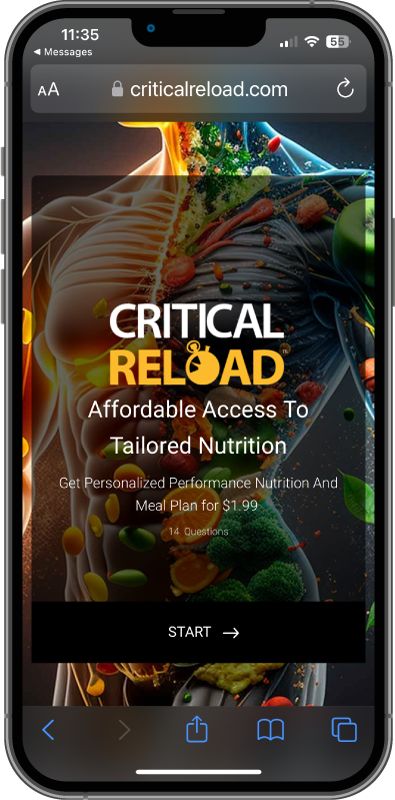
Critical Reload Nutrition Calculator displayed on a smartphone
Free Tool Built to create context—not another rigid nutrition rule.
Why Context Matters

Same Athlete. Different Day.

Fueling needs do not exist in a vacuum. What the athlete is doing today matters. A lighter school day and a demanding training day can create very different demands even when the athlete hasn't changed.

Day 01

Lower-Demand Day

School Normal class schedule
Training Light or recovery session
Duration Shorter total workload
Demand Lower overall energy requirement
Day 02

Higher-Demand Day

School Full day before training
Training Lift + practice or competition
Duration Longer total workload
Demand Greater fueling and recovery needs
The Point The Athlete Is The Same. The Context Isn't.

A useful fueling estimate has to account for more than age or body weight alone. Training volume, schedule, activity, and what the athlete still has to do all help shape the bigger picture. That is why the Calculator starts with context instead of handing everyone the same number.

01

The Athlete

Body size, age, growth, and individual characteristics all matter.

02

The Training

Duration, intensity, and total workload change the demands of the day.

03

The Schedule

School, practice, travel, games, and meal timing affect what is realistic.

04

What Comes Next

The next practice, game, meal, or recovery window changes the decision.

Better fueling starts with better context.

Don't Start With A Number. Start With The Day.
Built For The People Around The Athlete

One Tool. Different Jobs.

An athlete can use the Calculator to better understand the demands of the day. A parent can use it to see the bigger picture. A coach can use it to start a more useful conversation. The tool is the same. The job it does for each person is different.

High school athlete reviewing the Critical Reload Nutrition Calculator with a coach
Better Context Starts A Better Conversation

Use The Context Together.

The Calculator doesn't have to be something an athlete uses alone. A parent can use it to better understand the day. A coach can use it to help frame the conversation. The value isn't just the estimate—it's what the context helps people see.

01 · Athlete

Understand Your Day.

Start with your own body, training, and schedule.

Use the Calculator to better understand how your body, activity, training, and daily demands can influence the amount of fuel you may need. Then use that context to make more useful decisions around meals, snacks, training, and recovery.

Use It To Stop copying somebody else's plan and start with your own context.
02 · Parent

See The Bigger Picture.

Understand what the athlete's day may actually demand.

Use the Calculator to get more context around the athlete's overall fueling needs across school, training, and recovery. That can make it easier to recognize where meals, snacks, timing, or access to food may not line up with the demands of the day.

Use It To Ask better questions about where fueling fits into the athlete's real day.
03 · Coach

Start A Better Conversation.

Give athletes and families a practical point of reference.

Use the Calculator as an educational starting point for conversations about fueling and recovery. It can help demonstrate why athletes with different bodies, schedules, and workloads should not all be expected to follow the exact same plan.

Use It To Create context—not a one-size-fits-all team prescription.
No Matter Who Is Using It The Calculator Is A Starting Point.

The result is meant to create useful context, not replace appetite, performance feedback, medical guidance, or the judgment of qualified nutrition professionals. Use it to understand the athlete more clearly, ask better questions, and make the next decision easier.

Athlete. Parent. Coach. The role changes.

The Goal Doesn't: Better Decisions.
Use The Calculator

Start With Context. Then Get The Number.

The Calculator walks through the athlete, activity, training, and other inputs that help create a more useful estimate. Complete it with the day in mind—not just the athlete in isolation.

01 Enter The Athlete
02 Add The Training Context
03 Get A Starting Point
Ready To Start? Use The Free Nutrition Calculator.

The Calculator opens in a separate guided experience. Work through the athlete, activity, training, and other inputs using the athlete's current situation. The goal is not a perfect number. It is a more useful starting point.

Guided Work Through It Step By Step
Free No Purchase Required
Useful Leave With A Better Starting Point
Open The Free Calculator →
After You Finish

Keep your result handy. The next section explains how to read it, what it can tell you, and what it should not be used to do.

Need Help With An Input?

Watch The Walkthrough.

If you're unsure what a question is asking or want more explanation before choosing an input, use the Calculator walkthrough playlist. Each video breaks down part of the process so you can work through the tool with more confidence.

Quick note: The Calculator's visual design has changed since these videos were recorded, but the inputs and guidance shown in the walkthroughs are still relevant.
Open The Full Playlist →
Critical Reload Nutrition Calculator walkthrough playlist

Finished the Calculator?

You've Got The Number. Now Let's Interpret It.
Understanding Your Result

You've Got A Number. Now Give It Context.

The Calculator gives you a useful estimate—not a number that has to be hit perfectly every day. Use it to better understand the athlete, the demands of the day, and where planning may need to improve.

Read It This Way Starting Point. Not Prescription.

The result gives you a better frame of reference for the athlete's estimated fueling needs. It is not a pass/fail target, a perfect daily requirement, or a reason to force food simply to make the math work. Use it as context for the decisions that come next.

What The Result Can Do

Create Better Context.

+

Help show the scale of the athlete's daily fueling needs.

+

Give athletes and families a more useful place to start when planning meals and snacks.

+

Help reveal where the schedule may make adequate fueling harder.

+

Create better conversations about training, recovery, and what is available across the day.

What The Result Cannot Do

Make Every Decision For You.

—

It cannot tell the athlete exactly what to eat at every meal.

—

It cannot account perfectly for appetite, preferences, food access, and every change in the schedule.

—

It does not replace individualized medical or nutrition guidance when that is needed.

—

It should not turn fueling into a daily exercise in chasing a perfect number.

Keep Paying Attention The Athlete Still Gives You Feedback.

A calculation gives you a place to start. Energy, training quality, recovery, appetite, growth, schedule, and performance still matter. The goal is not to make the athlete fit the number. The goal is to use the number to understand the athlete more clearly.

01

Energy

How does the athlete feel through school and training?

02

Training

Does fueling support the work being asked of the athlete?

03

Recovery

Is the athlete recovering well enough to prepare for what comes next?

04

Real Life

Can the plan actually work around school, practice, travel, and food access?

A useful estimate should help make the next decision easier.

Don't Chase The Number. Build Around The Day.
Turn The Result Into Action

You've Got The Number. Now What?

An estimate becomes more useful when you can turn it into a day. First decide where fueling needs to fit. Then, if you need more help, turn the target into actual meal ideas.

Step 01 · Understand

Calculator

Get a useful starting point for the athlete's estimated daily fueling needs.

Step 02 · Plan

Fueling Planner

Map meals, snacks, training, hydration, and recovery around the real day.

Step 03 · Build

Meal Ideas

Use an optional meal-planning tool when you need help turning the target into meals.

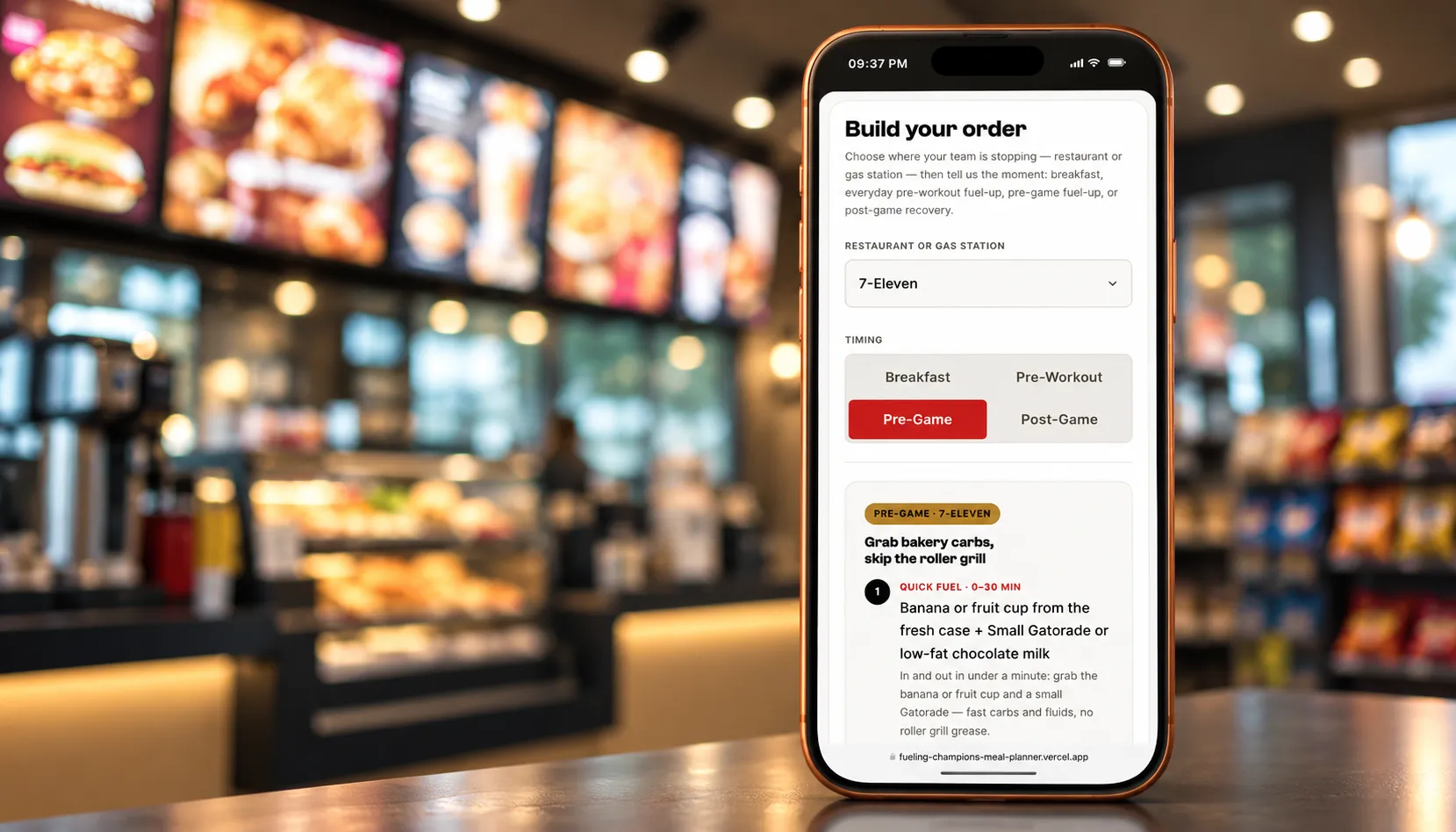
Critical Reload Fueling Planner shown in a real-world food stop setting
Critical Reload Free Tool
First Move

Map The Day.

Know where fuel needs to fit before worrying about perfect meals.

The Critical Reload Fueling Planner helps turn the Calculator result into something more practical: a plan built around school, meals, snacks, training, hydration, and recovery.

+

See where the long gaps in the day occur.

+

Decide where meals, snacks, hydration, and recovery realistically fit.

+

Build around the athlete's actual school and training schedule.

Critical Reload and Eat This Much meal planning partnership
Optional Meal-Planning Tool
When You Need More Help

Build The Meals.

Turn the estimated target into meal ideas you can actually work with.

Critical Reload works with Eat This Much as an optional next step for people who want help generating meal ideas. Use the Calculator result as a starting point, then customize around preferences, schedule, food access, and real-life needs.

+

Enter the estimated calorie target from the Calculator.

+

Generate meal ideas that help make the target more concrete.

+

Use the suggestions as ideas—not rigid rules.

Keep The Jobs Clear

These tools solve different problems. The Calculator helps estimate how much. The Fueling Planner helps decide when. Eat This Much can help show what meals could look like. None of them require the athlete to eat perfectly.

A useful estimate should make the next decision easier.
Understand It. Then Build The Day Around It.
Free · Practical · Built For Real Life

The Next Problem Won't Always Fit Inside A Calculator.

The numbers can give you context. The plan can help organize the day. But real life still happens—and that is where the Critical Reload Podcast fits.

Real Life Changes The Question Nutrition Decisions Don't Happen On A Spreadsheet.

Lunch is at 10:30. Practice starts at 3:30. An athlete skips breakfast. Dinner is late. Someone wants to know whether they really need a sports drink or how much protein actually matters. The Critical Reload Podcast takes those everyday questions and turns them into practical decisions athletes, parents, and coaches can use right away.

01 · Understand

Why Is This Happening?

Learn what is behind common fueling problems instead of jumping immediately to rules, restrictions, or products.

02 · Decide

What Should We Do Now?

Turn the lesson into practical decisions around meals, snacks, hydration, training, and recovery.

03 · Build

Solve One Problem At A Time.

You do not need to rebuild the athlete's entire diet. Solve what is in front of you, reinforce it, and keep moving.

The Critical Reload Podcast

Practical Nutrition For The Moments That Actually Happen.

For parents trying to help without overcomplicating nutrition. For athletes trying to make better choices. For coaches who need useful language they can reinforce without becoming nutritionists. Practical conversations built around the problems athletes actually face.

Carbohydrates Fuel The Work.

Why carbs matter, when they matter, and why context changes the answer.

Protein Build Across The Day.

Amount, distribution, and why dinner cannot always fix a low-protein day.

Fueling Timing Solve 3:00 PM.

Early lunch. Late practice. Nothing in between. Sometimes the problem is the gap.

Hydration Match The Drink To The Moment.

Water, sports drinks, sweat, duration, intensity, environment, and what the athlete actually needs.

Recovery What Happens After Training Still Matters.

Recovery is bigger than a product. It is the repeated process of replacing fuel, providing protein, rehydrating, sleeping, and preparing the athlete to do it again.

Keep Learning Listen To The Critical Reload Podcast.

Free, practical episodes built for athletes, parents, and coaches. Different topic. Same objective: make the next decision easier.
Listen To The Podcast →

A podcast can help someone understand the next decision.

A System Helps Make That Decision Easier To Repeat.
From Individual Tool To School-Wide System

The Calculator Creates Context. Under The Lights Builds The Environment.

The Calculator can help one athlete better understand what fueling may look like for them. Under The Lights takes that individualized direction and connects it to the education, routines, tools, and reinforcement around the athlete.

Inside Under The Lights The Calculator Has One Job: Personalized Direction.

Inside the Under The Lights system, the Nutrition Calculator gives athletes a more individualized starting point instead of another vague instruction to simply “eat better.” It helps the athlete understand their own context so the rest of the system can help make better decisions easier to see, repeat, and reinforce.

01 · Stream

Keep It Visible.

Short education lives where athletes train so fueling, hydration, sleep, and recovery stay in the environment.

02 · Calculator

Personalize The Direction.

Give the athlete a useful starting point based on their own body, activity, training, and daily demands.

03 · Fueling Planner

Map The Real Day.

Turn the direction into practical choices around school, training, travel, meals, snacks, and recovery.

04 · Fueling Champions

Align The Home.

Give parents practical guidance so the athlete does not hear one message at school and a different one at home.

05 · KPI Tracking

Create A Signal.

Use simple check-ins to make fueling, hydration, sleep, recovery, and readiness easier to notice and coach.

06 · Coaches Playbook

Build The Routine.

Define the roles, language, and routines that keep the system from depending on one coach repeating the same reminders.

One Tool Cannot Build A Culture The Value Is In What Happens Around It.

A Calculator result can create direction. A system helps keep that direction visible, practical, reinforced, and connected across athlete, coach, school, and home. That is the role of Under The Lights.

For Schools Move From A Tool To A System.

Free tools can help athletes and families make better individual decisions. Under The Lights helps athletic departments build the environment that makes those decisions easier to repeat across teams, coaches, and families.

Explore Under The Lights →

Start with the athlete. Then build the environment around them.

Better Decisions Become Stronger When The System Supports Them.
0