


Description
Critical Reload Stream
Make Nutrition Visible. Every Day.
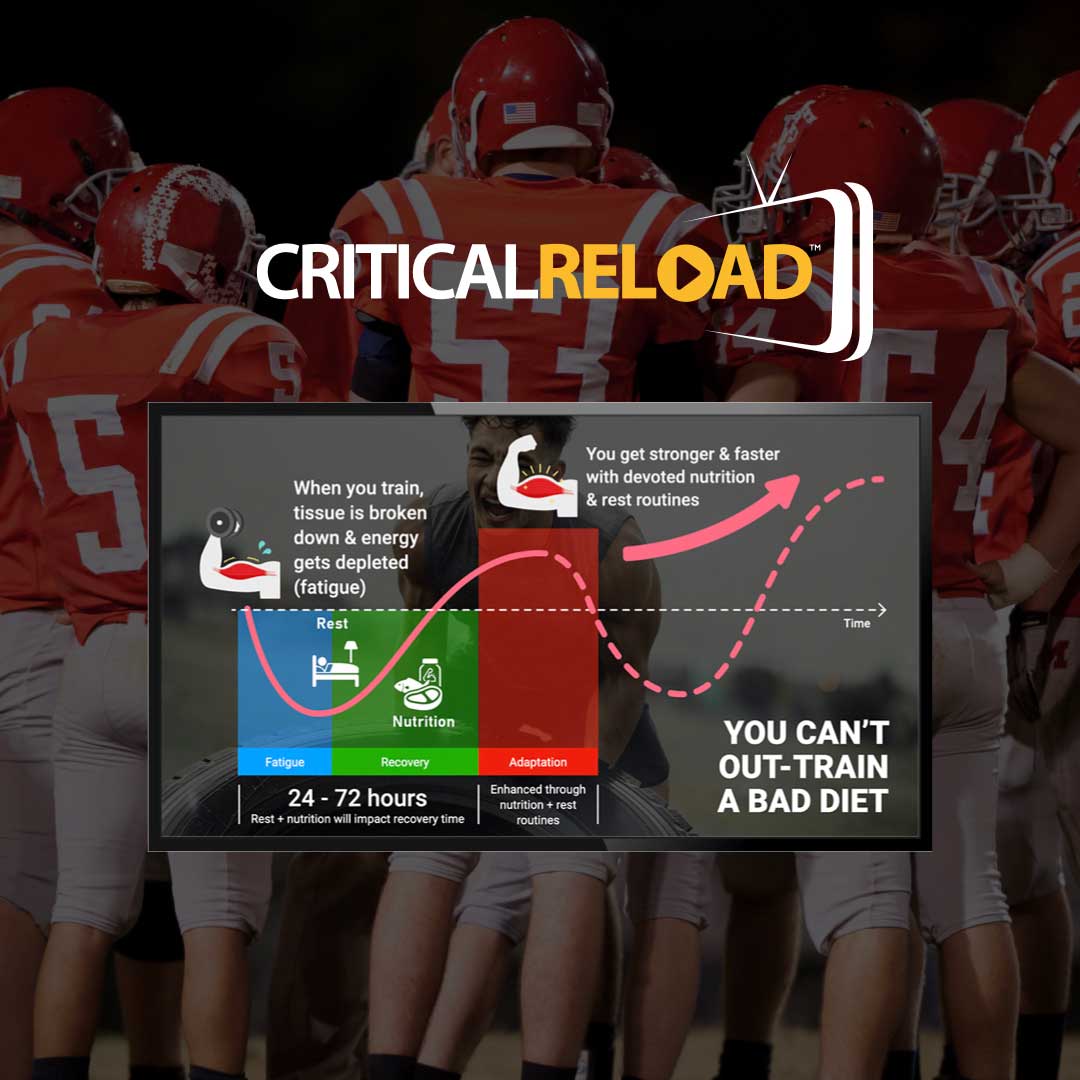
Stream delivers silent, visual nutrition education inside the
athletic environment while Daily Talking Points give coaches a
simple way to reinforce one useful concept at a time.
Start Stream
See How Stream Works
No nutrition lecture required. Stream is designed to fit into the
training environment athletes already occupy and reinforce
practical nutrition through repeated exposure.
The Stream Model
Screen. Coach. Action.
01
Screen
Silent visual lessons repeatedly teach practical fueling concepts
during training.
02
Coach
Daily Talking Points help coaches reinforce one useful idea
without delivering another lecture.
03
Action
Athletes connect what they see and hear with decisions they can
actually make throughout the day.
Teach visually. Reinforce verbally. Apply behaviorally.
Repeat consistently.
Built For Repeated Exposure
See It
→
Hear It
→
Use It
→
See It Again
The Education Gap
You Wouldn’t Coach Training With One Lecture A Year.
Strength and conditioning works because athletes are exposed to the
message repeatedly. The environment is structured. Coaches reinforce
what matters. Athletes practice it over time. Nutrition education is
rarely given the same opportunity.
Intentional.
Visible.
Repeated.
-
01
Athletes encounter the training environment every day. -
02
Progressions are structured instead of delivered all at once. -
03
Coaches reinforce shared language, expectations, and behaviors. -
04
Athletes repeatedly practice what they are being taught.
Occasional.
Disconnected.
Easy To Forget.
-
01
A presentation or handout appears once or twice a year. -
02
Too much information is delivered in a single sitting. -
03
Messaging can vary by team, coach, class, or season. -
04
There is little repeated exposure to help turn information
into action.
The Point
If Nutrition Matters To Performance, The Environment Should Show It.
Stream is built to close that gap by making practical nutrition
education visible, repeatable, and easier for coaches to
reinforce inside the environment athletes already occupy.
Scale Nutrition Like Training
Teach What They Need. Repeat What Matters.
Coaches do not hand athletes everything they know about strength and
conditioning on day one. They teach the next useful concept, reinforce
it, and build from there. Nutrition education can work the same way.
The Principle
Athletes do not need to become nutrition experts before they can make
better decisions. They need clear information they can understand,
remember, and use when the decision actually arrives.
Simplify The Lesson
Give Them What They Need Now.
A useful lesson does not have to contain everything there is to know.
Stream breaks larger nutrition concepts into practical pieces athletes
can process without turning the weight room into another classroom.
Build Through Exposure
Let The Message Show Up Again.
Athletes see the same visual lesson repeatedly during training and
across the week. That repeated exposure gives important ideas more
than one opportunity to register.
Build Over Time
One Useful Concept Becomes The Next.
Lessons accumulate across the year. Instead of one oversized nutrition
lecture, athletes develop a stronger framework through
small, repeated, connected learning.
The Coaching Parallel
You Already Know How To Scale Training. Stream Helps You Scale Nutrition.
The goal is not to teach athletes everything a sports dietitian or
performance coach knows. It is to give them the right lesson,
enough repetition, and a useful next decision.
How Stream Works
Screen. Coach. Action.
Stream is designed as a simple instructional loop:
the screen teaches, the coach reinforces, and the athlete
applies. Each part does a different job.
Screen
Teach Visually.
Silent visual lessons run during training and introduce practical
nutrition concepts without stopping the session for another lecture.
What Athletes Experience
Clear visuals, concise teaching, and enough detail to reward
repeated viewing throughout the week.
Coach
Reinforce Verbally.
Daily Talking Points give coaches a simple way to connect the lesson
to practice without needing to build or teach a separate nutrition curriculum.
What Coaches Do
Reinforce one useful idea, ask the right question, and point athletes
back to what they are already seeing.
Action
Apply Behaviorally.
The goal is not simply to remember nutrition information. Athletes
begin connecting what they see and hear with decisions they can make
before, during, and after training.
What Success Looks Like
The lesson becomes useful when athletes can recognize the situation
and make a better fueling decision for themselves.
Then Repeat It
Stream is built for repeated exposure inside the training environment.
Athletes do not just see the lesson once and move on.
See It
→
Hear It
→
Use It
→
See It Again
The Stream Model
Teach Visually. Reinforce Verbally. Apply Behaviorally. Repeat Consistently.
Stream does not ask the screen to replace the coach—or the coach to
become a sports dietitian. It gives each part of the environment
a clear role in helping nutrition education stick.
Built Into Training
Nutrition Education Doesn’t Need Another Meeting.
Stream is designed to live inside the environment athletes already
occupy. The lesson runs while training happens—so
nutrition education becomes part of the rhythm of the room instead
of another presentation competing for time.
Designed For The Weight Room
The Training Session Becomes The Classroom.
Stream lessons are silent, visual, and built to loop while athletes
train. The first exposure can establish the main idea. The next can
reveal another detail. Coach reinforcement can help connect what is
on the screen to a decision the athlete will eventually have to make.
9:25
Example Stream Loop Including Transitions
3–5×
Approximate Exposures During A 30–50 Minute Session
What That Can Look Like
30 MIN
≈ 3 Exposures
40 MIN
≈ 4 Exposures
50 MIN
≈ 5 Exposures
Example based on a 9:20 lesson plus approximately five seconds of
dissolve/crossfade transitions. Lesson length varies by topic.
One Session. Multiple Opportunities.
First Exposure
Catch The Main Idea.
The athlete may first notice the topic, headline, or primary
takeaway while moving through the training session.
Coach Reinforcement
Add Context.
A Daily Talking Point gives the coach an easy way to connect one
useful idea from the lesson to what athletes are doing that day.
Another Exposure
Notice What Was Missed.
When the lesson loops again, the athlete has another opportunity
to pick up supporting information that did not register the first
time.
Later In The Day
Recognize The Decision.
The real objective is for the idea to become recognizable when
the athlete is choosing breakfast, packing a snack, preparing
for practice, or recovering afterward.
Repetition Is The Feature
Stream does not depend on every athlete stopping to watch every slide
from beginning to end. It creates
multiple opportunities for the same message to become
familiar during the normal flow of training.
The Difference
Don’t Pull Athletes Out Of Training. Put Nutrition Into Training.
Stream uses an environment and a block of time the athletic program
already has. Instead of asking nutrition education to compete
for attention somewhere else, it gives the message repeated
opportunities to show up where athletes already train.
What Athletes Actually See
Built To Be Understood At More Than One Level.
Stream is not designed like a presentation athletes have to sit down
and study. The visual hierarchy lets the lesson communicate
differently depending on how long the athlete sees it.
Multi-Level Visual Learning
The athlete who glances at the screen for a few seconds should still
understand the topic. The athlete who sees the lesson repeatedly
should be able to pick up more detail, more context, and a
clearer connection to action.
First Glance
Understand The Topic.
Large headlines and clear visual hierarchy let athletes quickly
recognize what the lesson is about—even if they only catch part of
the screen while training.
Repeat Exposure
Pick Up More Detail.
Supporting information gives athletes something new to notice when
the lesson comes around again instead of simply repeating the same
headline.
Coach Connection
Hear The Same Language.
Daily Talking Points help coaches reinforce language and ideas already
visible on the screen, creating a stronger connection between
instruction and environment.
Athlete Application
Recognize The Decision.
The final purpose is behavioral: help athletes recognize when a lesson
applies to something they are about to eat, drink, pack, choose, or
recover from.
Example Lesson
Carbohydrates Aren’t Just Fuel For Right Now.
Topic
Carbohydrates provide energy for training.
Detail
Some carbohydrate can also be stored as glycogen for future work.
Connection
Training creates demand, so athletes need to put carbohydrate back
in for what comes next.
Action
Don’t just ask what you need now. Ask what you need to be
ready for next.
Preserve The Lesson
The goal is not to strip the science out of nutrition education.
It is to rebuild the communication so the science can survive
the environment in which athletes actually encounter it.
Daily Talking Points
The Screen Teaches. The Coach Makes It Relevant.
Coaches do not need another curriculum to prepare or another lecture
to deliver. Daily Talking Points give them one useful idea to
reinforce from the lesson athletes are already seeing.
One Lesson. Five Touchpoints.
The visual lesson can stay consistent throughout the week while the
coach approaches it from a different angle each day.
That keeps the message focused without making it repetitive.
Built For Coaches
Reinforce The Lesson Without Building The Lesson.
The education is already on the screen. The coach’s job is not to
reproduce the presentation. The Talking Point gives them a simple
way to make one part of the lesson relevant to the athletes standing
in front of them.
01
One Useful Idea
Each day gives the coach a narrow point to reinforce rather
than another full nutrition lesson to teach.
02
Shared Language
The coach can use language that connects directly to what
athletes are already seeing on the screen.
03
Minimal Preparation
The structure is already provided, allowing the coach to focus
on reinforcement rather than curriculum development.
Example Week
One Carbohydrate Lesson. Five Ways To Reinforce It.
Monday
Use It Now. Store It For Later.
Introduce the idea that carbohydrate can fuel current work
and help stock fuel for what comes next.
Tuesday
Storage Is Limited.
Connect limited glycogen storage to why athletes need
consistent carbohydrate intake across the day.
Wednesday
Let Protein Do Its Job.
Show how adequate carbohydrate availability supports training
while protein stays focused on its primary roles.
Thursday
Stored Fuel Brings Water With It.
Reinforce the relationship between glycogen storage and water
without turning the conversation into a biochemistry lesson.
Friday
Put Fuel Back In For What Comes Next.
Bring the week together around the athlete’s next training,
practice, competition, or recovery demand.
Athlete Sees
The Screen Explains The Concept.
The visual lesson carries the core nutrition education and gives the
athlete repeated opportunities to encounter it throughout training.
Coach Says
The Coach Connects It To Today.
The coach reinforces one practical idea, asks a useful question, or
connects the lesson to the demands athletes are facing right now.
The Coaching Role
You Don’t Have To Become The Nutrition Lecture.
Stream carries the structured education. Daily Talking Points help
coaches do what coaches already do well:
reinforce the right message, at the right moment, in language
athletes understand.
One Shared Language
Nutrition Shouldn’t Sound Different Everywhere An Athlete Turns.
A strong performance culture becomes easier to understand when
athletes repeatedly encounter the same core ideas.
Stream gives coaches and athletes a common starting point
for the nutrition conversation.
Consistency Matters
The goal is not for every coach to say exactly the same sentence.
It is for athletes to hear compatible messages built around
the same practical nutrition principles.
The Lesson
Establish The Idea.
Stream gives athletes a structured visual lesson and introduces
language the program can return to throughout the week.
The Coach
Reinforce The Same Idea.
Daily Talking Points help coaches connect the lesson to training
without creating a separate version of the nutrition message.
The Athlete
Start Using The Language.
Over time, familiar ideas can become part of how athletes describe
fueling, recovery, hydration, preparation, and what they need next.
What Shared Language Looks Like
One Idea Can Follow The Athlete Beyond The Screen.
Consider a simple carbohydrate message:
put fuel back in for what comes next.
The words can show up in different contexts without changing the
principle underneath them.
On The Screen
Fuel What Comes Next.
The visual lesson establishes the idea and explains why replacing
carbohydrate matters.
From The Coach
What Are You Fueling For Next?
The coach turns the same principle into a question that connects
directly to the athlete’s day.
From The Athlete
I Have Practice Later.
Success is the athlete recognizing that the next demand should
influence the decision being made now.
One Layer Of A Larger System
Stream can operate as a standalone nutrition education system.
It also serves as the education layer inside a broader
Critical Reload implementation when a school wants to connect
education with additional fueling tools, access, parent support,
and measurement.
Culture Is Repetition
Culture Is What You Make Visible, Repeat, And Reinforce.
Stream gives nutrition a consistent place inside the athletic
environment. Not one presentation. Not one poster. A message
athletes can continue to see, hear, and eventually use.
Real-World Application
They Didn’t Just Remember The Lesson. They Started Using It.
At Wayzata High School in Minnesota, student feedback showed
something more meaningful than simple recall:
athletes were describing how nutrition education was changing
the decisions they made around food, hydration, training, and recovery.

Wayzata High School · Minnesota
Look Past What Athletes Can Repeat. Look At What They Start Doing.
Student interviews offered a direct look at whether nutrition
concepts were staying on the screen—or beginning to show up in
everyday decisions. The responses included examples of
awareness, behavior change, and application around training.
Awareness
“It Makes Me Look At Labels, And I’m More Aware Of What I Eat.”
The lesson was beginning to influence what the athlete noticed when
making everyday food decisions.
Behavior
“Before I Wouldn’t Eat After My Boxing And Now I Eat Carbs And Protein.”
Nutrition information moved from something the athlete knew to
something the athlete changed around training and recovery.
Application
“I’ve Applied It To Many Things In My Life. It Is Very Eye-Opening.”
The strongest outcome is transfer: recognizing that the lesson
matters beyond the immediate training environment.
What Showed Up In The Interviews
Individual responses varied, but students described practical changes
around food awareness, fueling around training, hydration,
and recovery.
Food Awareness
Pay Attention To What You’re Choosing.
Students described looking at labels, noticing macronutrients, and
thinking more deliberately about the food they selected.
Training Fuel
Connect Food To The Work.
Athletes described thinking about what to eat before workouts,
after workouts, and in relation to the demands of their sport.
Hydration + Recovery
Change The Routine.
Responses included drinking more water, arriving better hydrated,
and eating after training when that had not consistently happened
before.

An Outside Observation
The Difference Was Application.
Cheryl Burdick observed the nutrition instruction at Wayzata and
noted the students’ ability to
apply nutrition principles to their own lives.
That is an important distinction: the value of education is not only
what an athlete can repeat, but whether the athlete can recognize
where the lesson belongs in real life.
Cheryl Burdick
Minnesota Peer Coach · Direct Instruction Trained
The Outcome That Matters
The Lesson Isn’t Finished Until The Athlete Can Use It.
Stream is designed to move nutrition beyond awareness alone.
The objective is for athletes to encounter a real decision and
recognize, “I know what to do here.”
The Curriculum Keeps Evolving
Teach The Athlete You’re Actually Coaching.
High-school athletes do not recover in a laboratory.
They recover inside a world of school, practice, phones,
notifications, social pressure, late nights, and early mornings.
Stream evolves as that environment evolves.
The Recovery Model
Sleep Is The Root System. Nutrition Is The Water.
Nutrition cannot be separated from the athlete’s ability to sleep,
recover, regulate attention, manage stress, and arrive ready to train.
If the root system is compromised, everything we are trying
to build above it becomes harder to support.
Original Sleep Unit
2 Weeks
Establish the science of sleep, its relationship to performance and
recovery, and practical behaviors athletes can use to improve it.
Expanded Sleep + Digital Recovery Unit
4 Weeks
Keep the sleep foundation—and extend it into the digital environment
affecting attention, recovery, fueling, social pressure, and the
athlete’s ability to disconnect.
Week One
Understand The Foundation.
Athletes learn why sleep matters, how the sleep-wake system works,
what happens across sleep stages, and how sleep supports physical
performance, mental performance, recovery, and eating behavior.
Core Question
Why Does Sleep Matter To The Athlete?
Week Two
Improve The Environment.
The lesson moves into the behaviors surrounding sleep: evening
screens and light, social media, routines, the bedroom environment,
stimulants, stress, sleep tracking, and identifying patterns.
Core Question
What Can I Change To Protect Better Sleep?
Week Three
Know Your Digital Load.
The Always-Connected Athlete expands the conversation beyond blue
light into attention, social connection, comparison, digital reward
systems, sleep disruption, and the state athletes bring into
training and competition.
Core Question
What Is My Digital Environment Training?
Week Four
Protect Your Recovery.
Digital Disruption shows athletes how screens can cascade into later
sleep, compressed mornings, altered fueling, distracted eating, and
poorer recovery—then gives them practical ways to take back control.
Core Question
What System Can I Build Before I Need Willpower?
New Curriculum
The Digital World Doesn’t Stay Digital.
A phone can affect far more than screen time.
The expanded curriculum helps athletes examine how their digital
environment can intersect with sleep, attention, social
pressure, fueling, recovery, and readiness to perform.
01
Your Phone Is Training Your Brain Too.
Athletes are asked to think about the same systems sport depends
on: focus, delayed gratification, handling pressure, connecting
with teammates, and responding to coaching.
02
The Night Can Change Tomorrow.
Late digital use can push bedtime later. When wake-up time stays
fixed, the morning gets compressed—and fueling and recovery
opportunities can disappear with it.
03
Fuel First. Screen Second.
Athletes learn to protect the transition out of training so
scrolling, gaming, and social media do not displace the recovery
nutrition they already know they need.
04
Build The System Before You Need The Willpower.
Instead of demanding perfect digital behavior, athletes build
practical defaults around post-training, pre-sleep, and morning
routines.
Informed By The World Athletes Live In
The expanded curriculum draws on concepts explored in Jonathan
Haidt’s The Anxious Generation and applies
them through a Critical Reload performance lens—connecting the
digital environment with athlete sleep, attention, social pressure,
fueling, recovery, and readiness.
Learning Has To Become Action
Don’t Just Tell Athletes To Put The Phone Down.
Audit
Know Your Digital Load.
Athletes examine screen time, apps, pickups, notifications, and
phone use before bed so the conversation begins with their own data.
Recognize
Find The Weakest Link.
Athletes identify where digital habits are most likely to interfere
with sleep, fueling, focus, or recovery.
Build
Create A Digital Recovery Protocol.
Athletes establish practical defaults for the post-training,
pre-sleep, and morning windows instead of relying on willpower
in the moment.
Why The Curriculum Evolves
The Athlete’s World Changed. The Education Has To Keep Up.
Stream is not a static library built once and left alone.
As the pressures affecting athlete preparation, recovery,
and performance change, the curriculum has to be willing to go
there too.
What You Get
Everything You Need To Put Stream Into The Program.
Stream brings together athlete-facing education, coach reinforcement,
and an organized curriculum.
You are not buying a folder of videos. You are getting a
repeatable education system.
Athlete-Facing
Silent Visual Lessons.
Stream lessons are built to run on a TV or display while athletes
train, making practical nutrition education visible without stopping
the session for another presentation.
→
Typically 6–10 minutes per lesson
→
Silent and designed for TV display
→
Built for repeated exposure during training
Coach-Facing
Daily Talking Points.
Coaches receive simple reinforcement prompts tied to the lesson
athletes are already seeing—so the coach can add context without
having to build the education from scratch.
→
One focused idea at a time
→
Direct connection to the weekly lesson
→
Built for practical coach reinforcement
Full-Year Education
A Structured Curriculum.
Stream provides organized nutrition, recovery, and athlete-wellness
education that can build across the year instead of relying on
isolated presentations, reminders, or handouts.
→
Organized lesson library
→
Content designed to build over time
→
Curriculum continues to evolve
The Difference
The Content Matters. The Delivery System Makes It Usable.
Good nutrition information is widely available.
The harder problem is getting useful information in front of athletes
consistently and giving coaches a practical way to reinforce it.
Stream is built around that delivery problem.
Use Stream By Itself
A Complete Education Layer.
Stream can stand on its own for schools that want a consistent,
practical way to make nutrition, sleep, recovery, and fueling
education visible inside the athletic environment.
Build Beyond Stream
Connect Education To A Larger System.
Schools that want to go further can use Stream as the education layer
inside a broader Critical Reload implementation that adds additional
tools, access, parent support, and measurement.
What You’re Buying
A System Your Program Can Actually Use.
Stream is designed to make nutrition education easier to display,
easier to reinforce, and easier to repeat.
The lesson is built. The coach has the talking point. The
athlete sees it where training already happens.
Institutional Credibility
Built For Athletics. Recognized As Education.
Stream was built for the realities of the athletic environment,
but its use has extended beyond the weight room.
Schools have also pursued formal pathways to use Critical
Reload curricular materials within health and physical education.

Pennsylvania Department Of Education
Approved Pennsylvania Department Of Education Vendor.
William Penn Charter School initiated the Pennsylvania Department of
Education process because the school wanted to use
Critical Reload curricular materials in health and physical
education and purchase those resources using Pennsylvania
state funding.
01
School Request
William Penn Charter sought access to Critical Reload curricular
materials for health and physical education.
02
PDE Process
Critical Reload entered the Pennsylvania Department of Education
vendor approval and NPIS registration process.
03
State Registration
Critical Reload completed Commonwealth vendor registration and
received its Pennsylvania vendor identification.
04
Real Implementation
Penn Charter then used Critical Reload within an established
school and athletic-performance environment.
3 Years At William Penn Charter
Approval Became Implementation.
The approval process was not pursued simply to place Critical Reload
on a vendor list. It began because William Penn Charter wanted to use
the education in its school environment.
Coach John Estok and Penn Charter have continued using
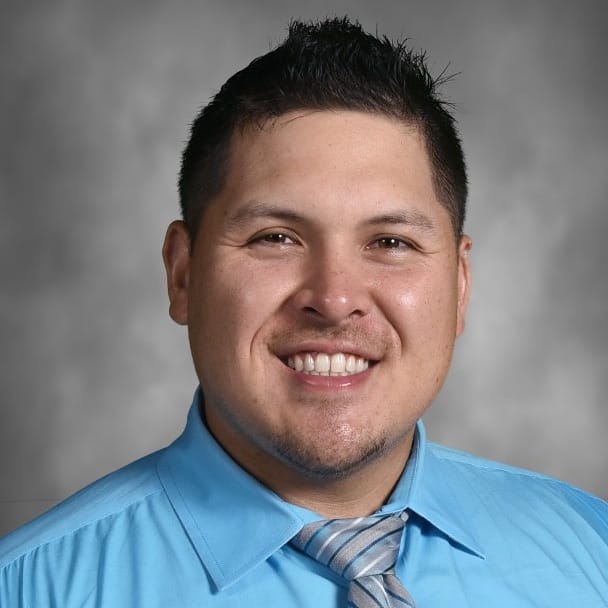
Critical Reload Stream across the past three years.


John Estok
William Penn Charter School
Why This Matters
Stream was designed to work inside athletics, but its educational
value has also supported use within a broader school setting.
That combination—formal institutional access and sustained
real-world use—is the credibility that matters.
Choose Your Access
Put Nutrition Education Into The Environment.
Start with the access level that fits your program today.
The education, visual delivery, and coach reinforcement
system stay at the center of Stream.
5-Day Trial
$6.99
5-Day Access
A short entry point for coaches who want to experience Stream before
choosing a longer access option.
Designed For
Seeing Stream In Your Own Environment
Monthly
$33.99
Per Month
Ongoing access without committing to a full year up front.
Designed For
Programs That Prefer Month-To-Month Access
Full-Year Access
1-Year License
$299
One Year
Full-year access gives the program time to build nutrition education
into the rhythm of training instead of treating it like a short-term
initiative.
Designed For
Year-Round Program Implementation
Lifetime
$1,999
Lifetime Access
A one-time access option for programs that want Stream available
without an ongoing subscription.
Designed For
Long-Term Ownership Of Stream Access
Ready To Start?
Choose Your Access And Put Stream To Work.
Select your preferred purchase option in the Stream checkout area
above. You can start small, use Stream month to month, or
build it into the full year.
Choose Your Access
Talk Through Your Program
Need More Than Education?
Stream can stand on its own. If your school also wants to connect
nutrition education with fueling access, parent support,
additional tools, and implementation strategy, we can map
out a broader Critical Reload system around your program.
Make Nutrition Visible
Reviews
There are no reviews yet.